Why similar drivers can receive very different auto insurance quotes
A look at how location, vehicles, coverage choices, and underwriting can shape the prices drivers are shown — and why comparing options in a given ZIP code can make those differences easier to see.

Last spring I sat down with a renewal notice that was higher than I expected. Not dramatic, exactly — plenty of people I know have mentioned the same thing — but it did make me curious about a simpler question: why can two drivers with similar cars and similar commutes be shown such different prices?
I started asking around. A neighbor with a comparable sedan mentioned a number that did not match mine. Another friend, after a move across county lines, saw her available options change even though her driving record had not. The gap was annoying. It was also, I later learned, fairly ordinary.
Auto insurance pricing is not a single national sticker price. Insurers weigh a mix of factors that can include where a vehicle is kept overnight, the make and model, annual mileage, coverage selections and deductibles, driving history, and — in states where it is permitted — credit-based insurance scoring. Each company also applies its own underwriting rules. Two households on the same street can still land in different pricing buckets.
What I wanted was a clearer picture of what was actually available in my ZIP code. Not a promise. Just a side-by-side look at quotes that might apply to a driver like me.
That is how I ended up looking at Auto Coverage Journal, a rate comparison tool designed to collect information from a driver and present available options from participating insurers. It is not an insurance company. It does not issue policies. And it does not guarantee that any particular driver will pay less than they do today.
Individual results and premiums depend on many factors including age, driving history, coverage selected, and insurer underwriting. Rates and availability may vary depending on your driving record, location, vehicle, credit, and other factors. Actual insurance rates are not guaranteed and will vary.
Auto Coverage Journal
A simple way drivers are reviewing auto insurance options in their ZIP code.
The tool is designed to help drivers see quotes that may be available near them. Some drivers may find lower-priced alternatives; others may not. Pricing depends on factors such as location, driving history, vehicle, coverage selections, and insurer underwriting.
Check Rates Near You Rates and availability may vary depending on your driving record, location, vehicle, credit, and other factors.What actually moves an auto insurance quote
When people talk about “the rate,” they often mean one number on a renewal letter. Behind that number is a stack of smaller decisions. Coverage limits and deductibles change the premium directly. A newer vehicle with more safety technology can price differently than an older one. A garage in one ZIP code is not priced the same as street parking in another.
Driving history still matters, of course. So does how a company prefers to write business in a given state. One insurer may be more competitive for a particular vehicle class; another may not be accepting new business in that area at all. Available options depend on individual circumstances.
That is why a comparison can be useful even when it does not produce a lower number. Seeing several quotes in one sitting can help a driver understand whether their current premium sits near the middle of the local range, or whether other participating companies are showing different figures for similar coverage.
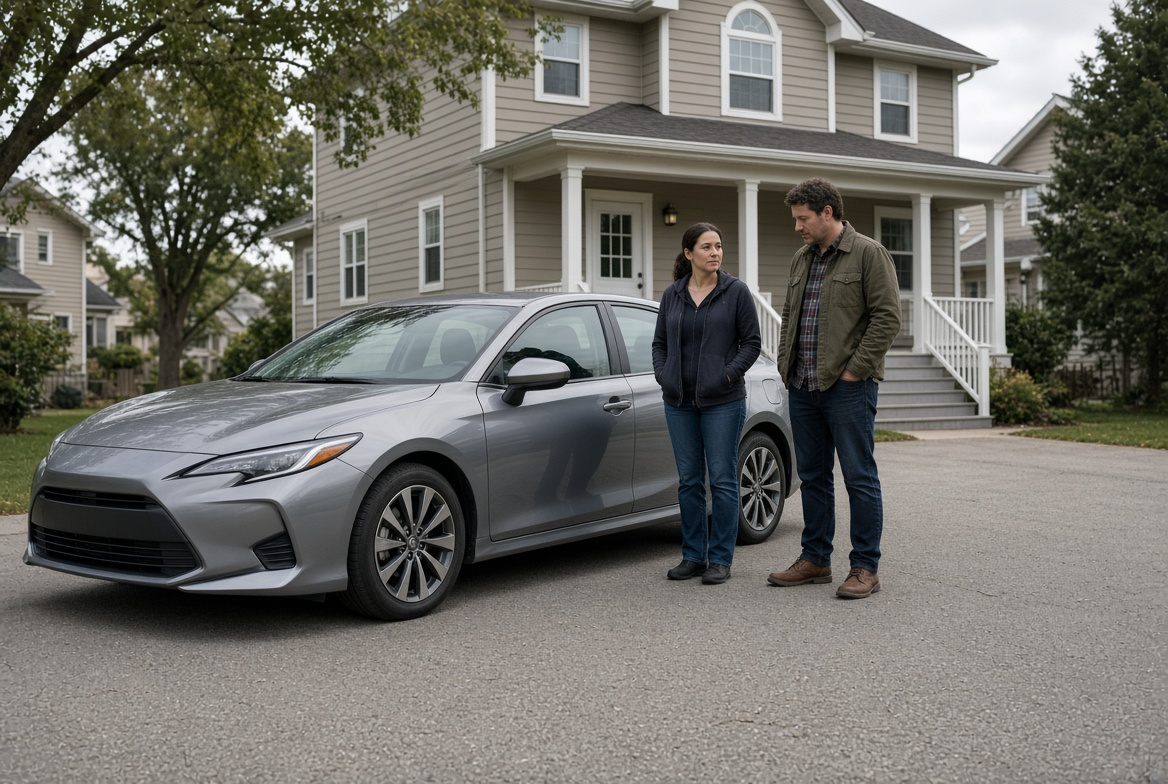
I also heard from drivers who compared quotes and stayed put. That is a reasonable outcome. Switching companies is not automatically better, and it will not necessarily reduce premiums. A comparison is information. The decision still belongs to the driver, ideally after reviewing policy details and, when needed, speaking with a licensed agent or broker.
How a local rate comparison typically works
The process is fairly plain. A driver provides basic information, participating insurers return quotes that may apply, and the driver can review those options before contacting anyone or changing a policy.
Share a few details
Most comparison forms ask for a ZIP code, vehicle information, and general driving details so quotes can be matched to the household.
Review available quotes
Participating companies may return rates based on the information provided. Not every insurer will have an offer in every area.
Decide at your own pace
Checking rates is designed to be informational. You can compare what you see with your current policy before making any change.
What Drivers Are Saying
The following are customer-submitted reviews. Individual results and rates vary. These comments are not a guarantee of savings or eligibility.
The form was straightforward. I saw quotes from a couple of companies I had not called on my own. One was close to what I already pay; another was a bit lower for similar limits.
I used it after a move. The quotes were different from my old ZIP, which I expected. It helped me understand what was available locally before I talked with an agent.
My rate did not drop as much as I hoped. Still useful to see the range. I stayed with my current company after comparing deductibles side by side.
I liked being able to check options without a long phone tree. I still read the coverage details before doing anything. The quotes themselves were easy to scan.
Took about ten minutes on my lunch break. I compared two quotes with my renewal and asked my agent about a coverage difference I had missed.
Clear that not every company had an offer in my area. The ones that did were enough to decide whether shopping further was worth my time.
Questions drivers usually ask
See local rates
Optionally note your current monthly premium range, then check quotes that may be available in your ZIP code. This does not guarantee a lower price.